3 800 €
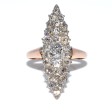
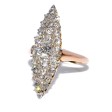
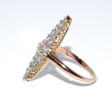
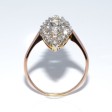
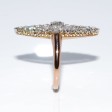
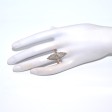
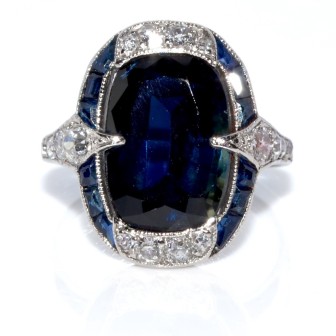
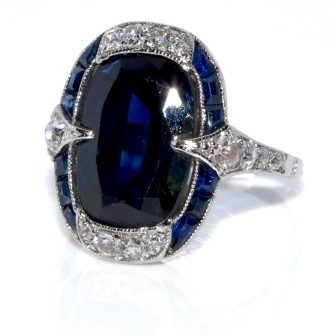
Hide pricesThis imposing antique marquise ring is set with old-cut diamonds for a total weight of approx. two6940 carats. It is astonishing in its size and brilliance.
The marquise ring is a timeless classic. Very fine work from the end of the 19th century, beginning of the 20th.
| Total weight of the diamonds | approx. 2,00 ct |
|---|---|
| Valued color/clarity | H-I/SI |
| Weight | 3,90 g |
|---|---|
| Ring size | 57 (can be resized) |
| Dimensions (Top of ring) (cm) | 3 x 0,9 |
| Ref. | #6940 |
|---|
In the late nineteenth century, marquise rings occupied a distinctive place in French jewelry, reflecting both technical sophistication and evolving tastes at the end of the century. The term “marquise” refers to the elongated, pointed oval shape of the central stone, a cut designed to maximize brilliance while creating an elegant, slender silhouette on the hand. This form became especially popular during the Belle Époque, when refinement, lightness, and harmony of proportions were highly valued.
Typically crafted in gold, and increasingly in platinum toward the very end of the century, marquise rings often featured diamonds as their centerpiece, sometimes accompanied by smaller stones set along the shoulders. The elongated shape enhanced the apparent size of the gem and flattered the wearer’s hand, making these rings particularly desirable among fashionable women of the Parisian elite. Advances in gem-cutting techniques allowed jewelers to achieve greater sparkle and precision, reinforcing the appeal of this design.
Marquise rings were frequently chosen for engagement or sentimental jewelry, symbolizing elegance, distinction, and modernity. Their settings ranged from relatively simple mounts that emphasized the stone itself to more elaborate designs incorporating floral or foliate motifs, characteristic of the transitional styles leading toward Art Nouveau.
Today, marquise rings from the late nineteenth century are admired for their balance between classic restraint and decorative sophistication. They offer valuable insight into a period when French jewelry combined tradition with innovation, producing pieces that remain timeless in both form and meaning.