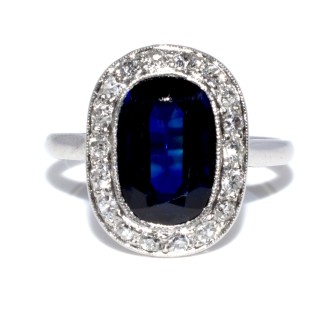
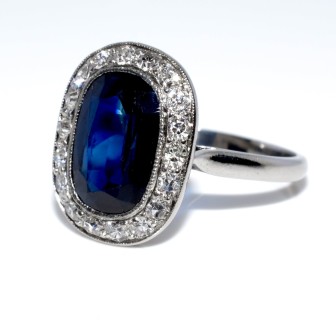
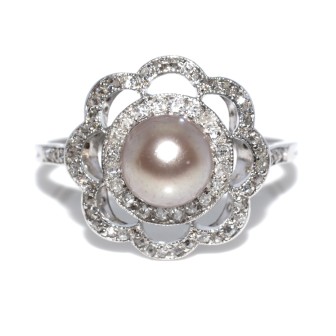
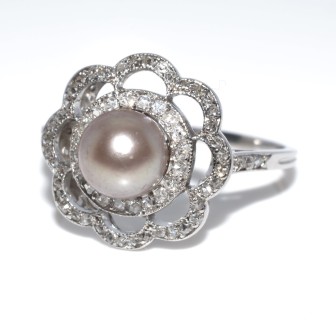
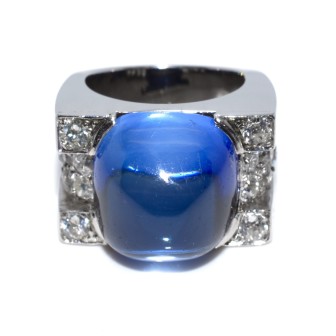
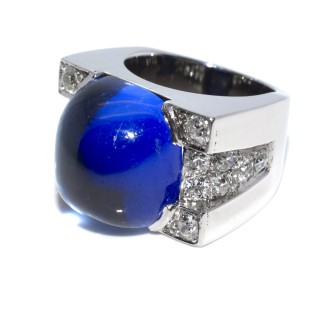
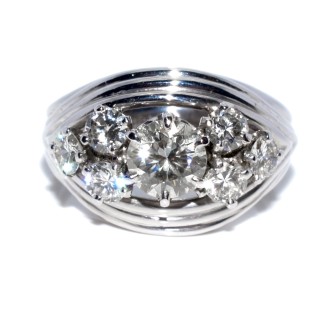
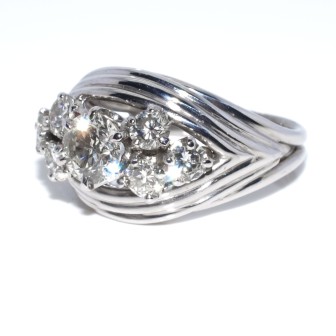
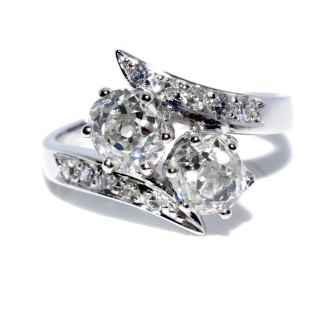
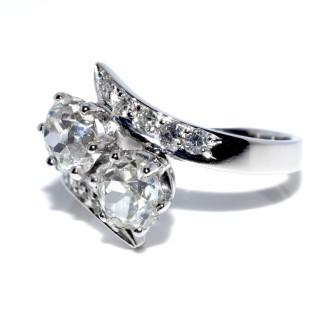
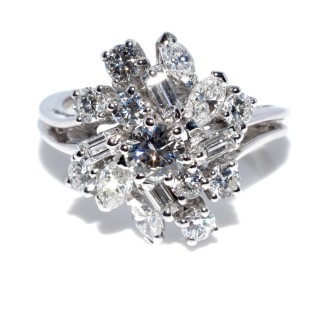
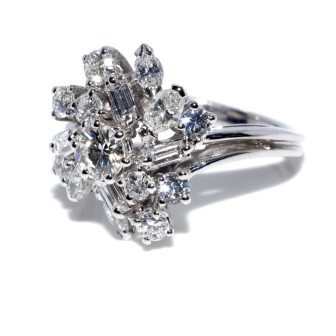
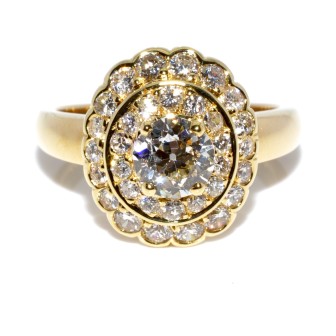
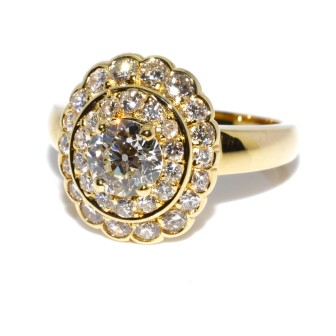
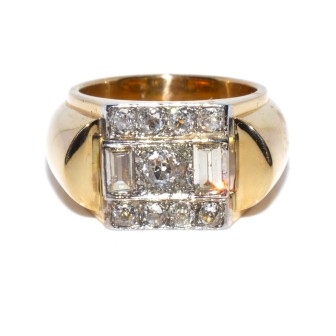
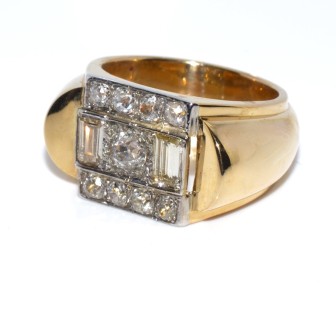
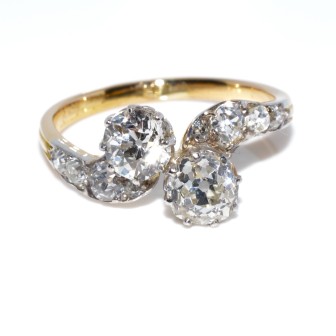
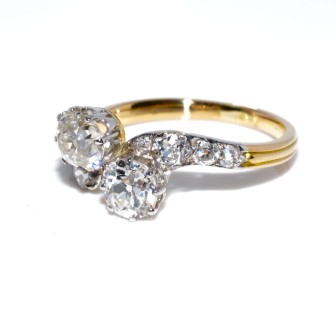
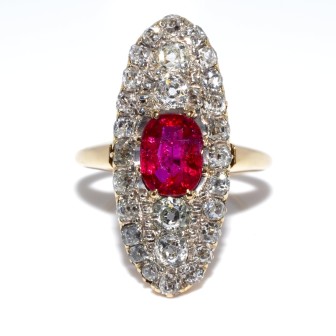
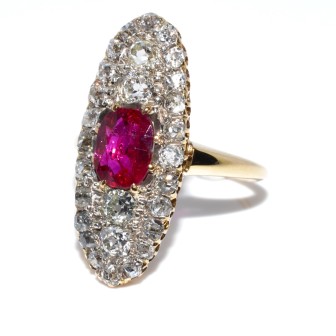
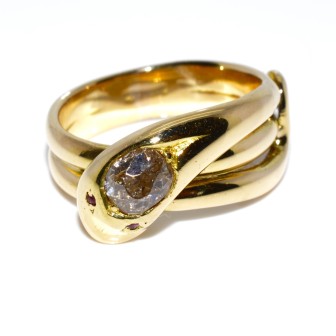
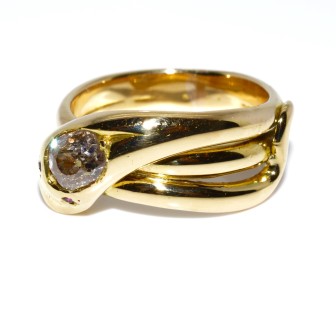
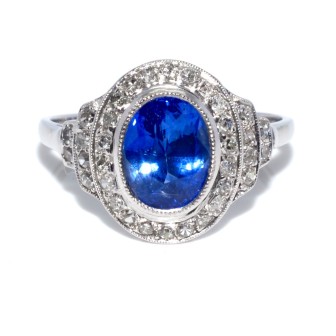
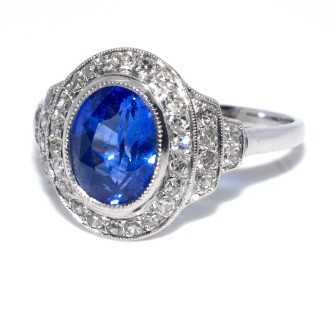
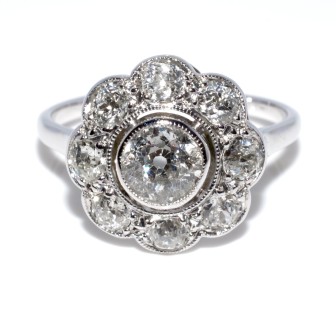
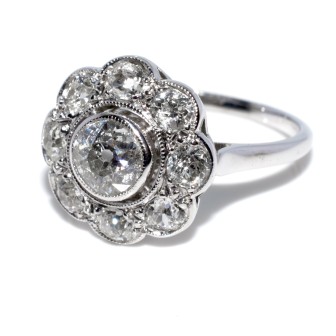
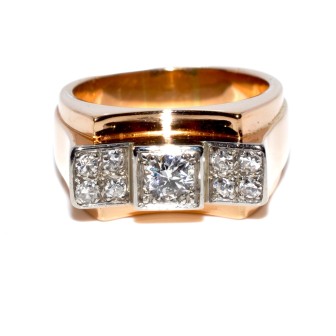
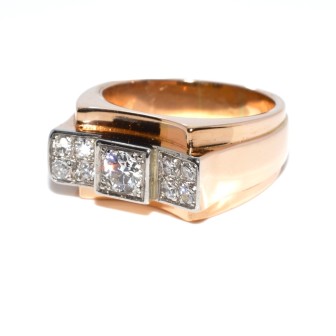
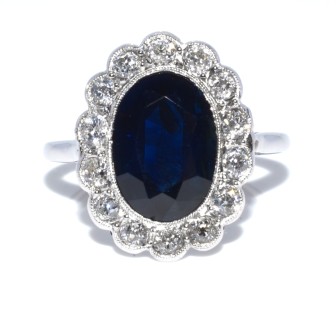
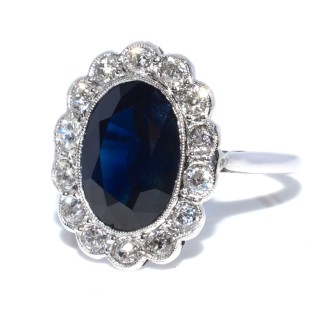
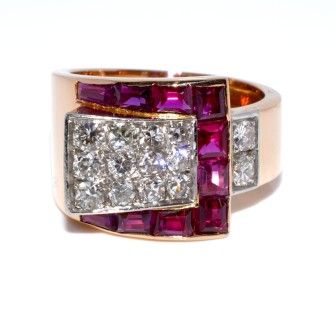
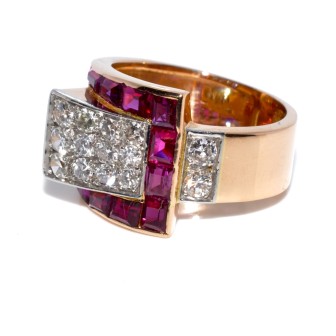
An antique ring is first and foremost a period jewel: it was made in the past and reflects the techniques, materials and stylistic characteristics of its time.
At Héritage de France®, we use this term primarily for rings dating from the Napoleon III period through to the 1940s. Later pieces are generally classified within our vintage or pre-owned jewellery collections.
An antique ring is therefore different from a contemporary reproduction of a historical design. Its setting, gemstones and construction reflect, to the extent that they have been preserved, the period in which it was made.
The 19th century and first half of the 20th century produced a remarkable variety of jewellery styles.
Napoleon III rings, dating from the second half of the 19th century, can feature elaborate compositions, old-cut or rose-cut diamonds, pearls and coloured gemstones.
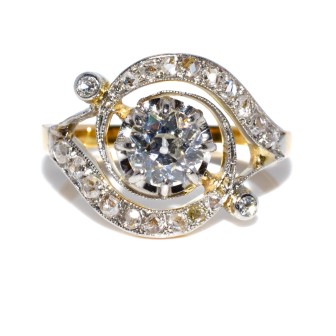
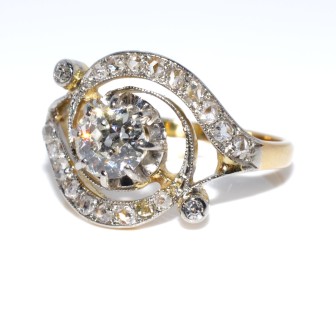
Around 1900, Belle Époque and Art Nouveau jewellery often favoured lighter settings and particularly refined metalwork.
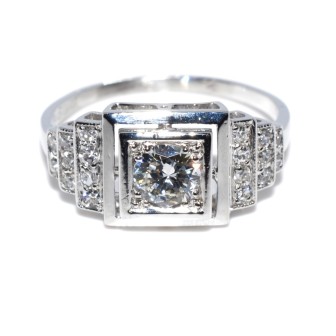
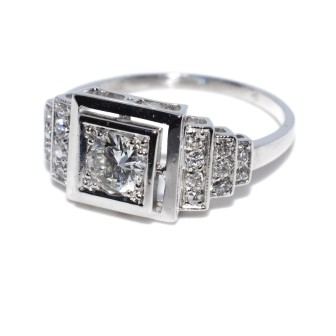
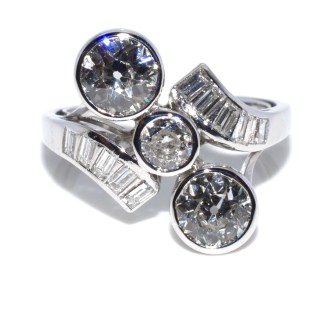
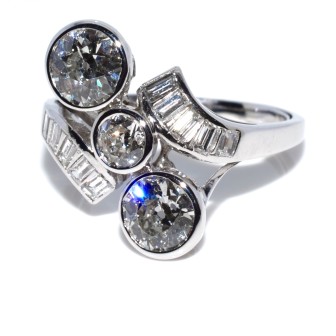
Art Deco rings from the 1920s and 1930s, by contrast, are characterized by geometric lines, symmetry and the extensive use of platinum and diamonds.
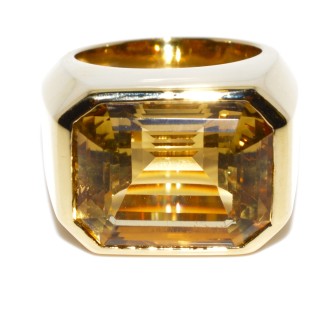
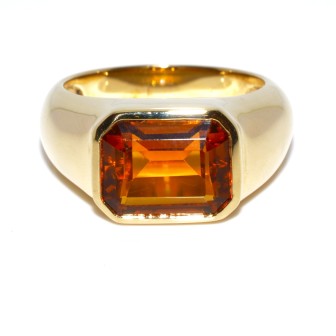
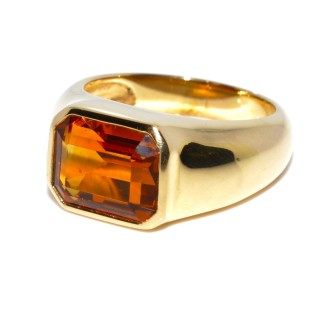
During the 1940s, Tank rings introduced bolder volumes and strongly architectural designs, frequently crafted in yellow or rose gold.
Identifying an antique ring cannot be based on a single characteristic.
The construction of the setting, stone-setting techniques, soldering, workmanship beneath the gemstones, profile of the ring and method used to assemble its different elements can all provide valuable information.
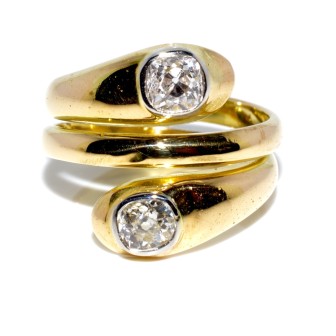
The gemstones themselves may also offer important clues. Antique diamonds feature cuts that differ from modern brilliant-cut stones, including rose cuts, old cuts and old cushion cuts.
Hallmarks and maker’s marks, when present and legible, can also provide useful information when examining a jewel.
However, a serious assessment must consider all these elements together: neither a hallmark nor a particular diamond cut is sufficient on its own to date a ring precisely.
Diamonds naturally occupy an important place in antique jewellery, but antique rings feature a wide variety of gemstones.
Sapphires, rubies and emeralds are frequently encountered, either alone or combined with diamonds. Pearls, opals and many other gemstones were also used according to the period and style.
The way these stones were cut and set is an integral part of the character of the jewel. In an antique ring, a gemstone should therefore not be considered independently from its setting: proportions, consistency between the stones and the quality of the stone setting are all essential.
For significant gemstones, an examination by an independent gemmological laboratory may provide information about their identity, detectable treatments and, when it can be determined, geographical origin.
Some antique rings are more than a century old, yet their designs can remain remarkably contemporary.
An Art Deco platinum and diamond ring, a late 19th-century marquise ring or a substantial 1940s Tank ring can easily be worn alongside contemporary jewellery and clothing.
This combination of historical character and modern design is one of the particular attractions of antique rings. They can be chosen for their period and history, but equally simply because their aesthetic remains relevant today.
Each period has its own visual language: the delicacy of a circa-1900 setting, the geometry of Art Deco or the bold volumes of the 1940s.
Condition is an essential consideration. An antique ring has usually been worn and may have been repaired, resized or restored during its lifetime.
The condition of the stone settings, strength of the shank, gemstones and any previous alterations should therefore be carefully examined.
An old restoration is not necessarily problematic. What matters is that the work respects the character and construction of the jewel and allows it to be worn in appropriate conditions.
Proportions and craftsmanship are equally important. A fine antique ring cannot be assessed solely by the weight of its gold or the carat weight of its gemstones: its design, construction and overall coherence are integral to its quality and interest.
Where to Buy an Antique Ring in Paris
Héritage de France® specializes in antique jewellery and offers in Paris a selection of authentic period rings, dating primarily from the Napoleon III era through to the 1940s.
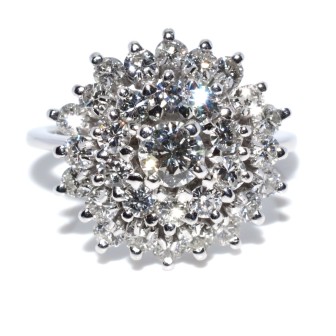
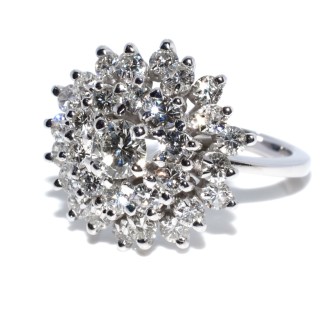
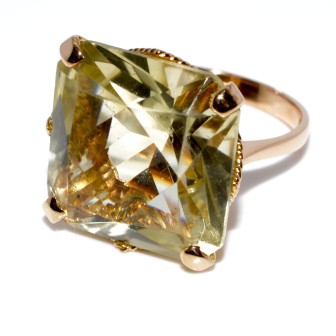
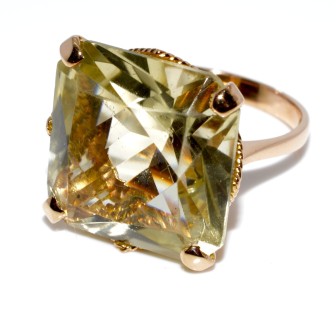
Our collection includes diamond, sapphire, ruby and emerald rings, as well as Art Deco, Tank, marquise, trilogy, solitaire and cluster designs.
Before being offered for sale, each jewel is examined to assess its gemstones, precious metals, settings, hallmarks and signatures when present. Rings may subsequently be entrusted to our workshop for any restoration required.
Choosing an antique ring at Héritage de France® means selecting a genuine period jewel, chosen for its design, craftsmanship, gemstones and state of preservation.
Résultats 1 à 24 sur 105