Sold
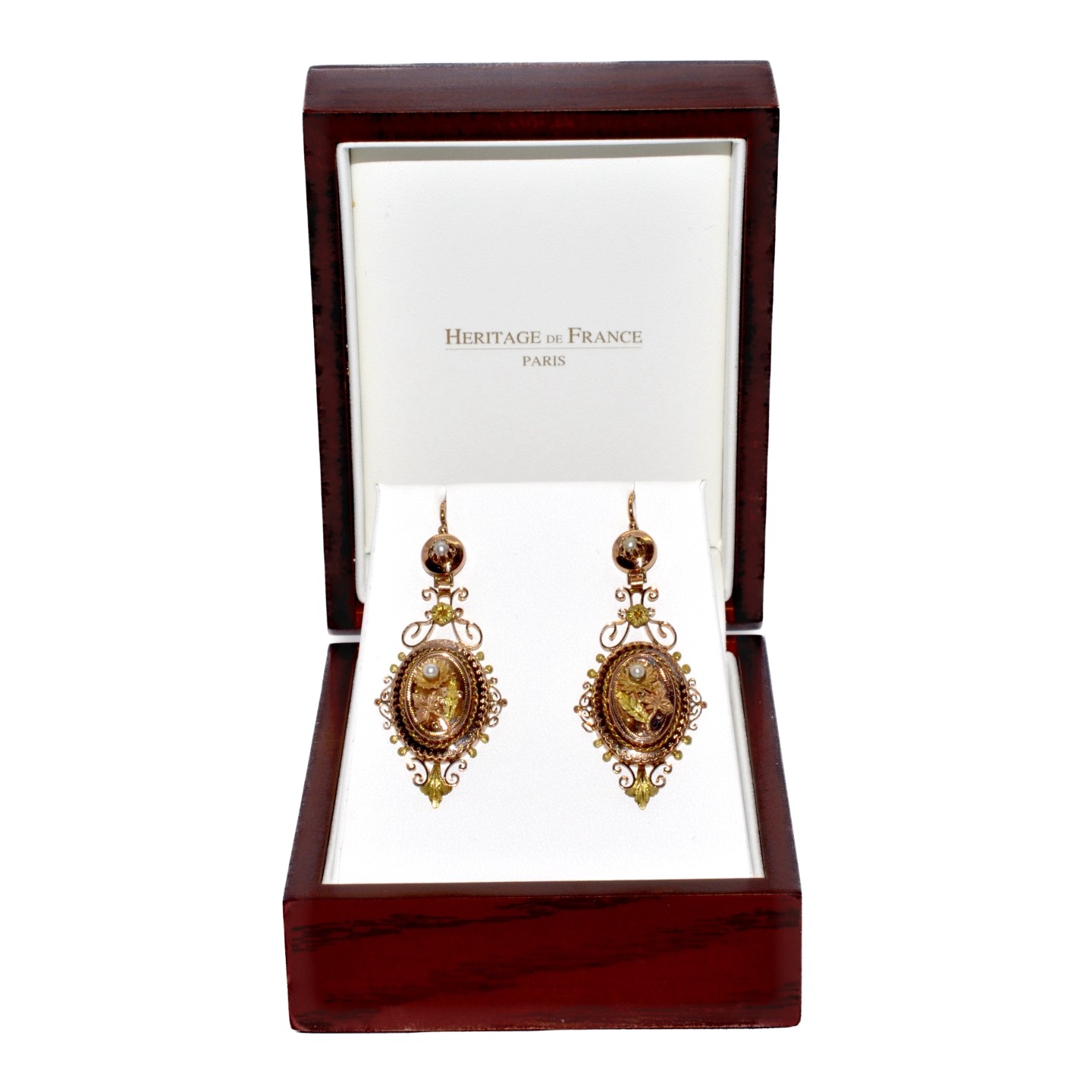
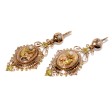
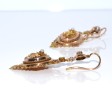
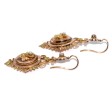
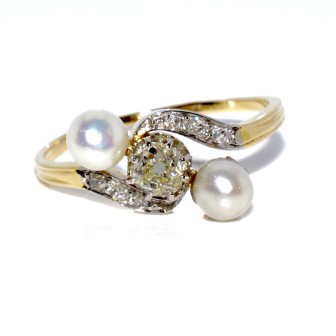
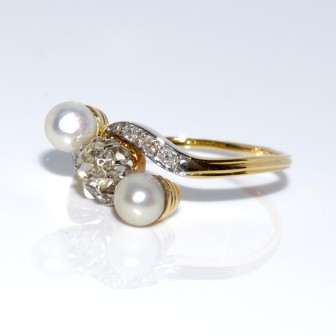
This beautiful pair of antique 18k gold earrings is set with pearls. They have a perfect length and are articulated.
| Weight | 6,29 g |
|---|---|
| Lenght (cm) | 4,5 |
| Ref. | #7139 |
|---|
Pendant earrings in 19th-century france
In 19th-century France, earrings were among the most visible and expressive pieces of women’s jewelry. Pendant earrings, often called boucles d’oreilles pendantes, were particularly popular and reflected the changing tastes and artistic movements of the century.
At the beginning of the century, during the Empire and early Restoration periods, jewelry styles were influenced by antiquity. Earrings were often relatively light and elegant, sometimes composed of small drops suspended from delicate mounts. Gold was widely used, occasionally combined with colored stones such as garnets, topaz, or amethysts.
As the century progressed, jewelry became more varied and expressive. During the Romantic period (1830–1850), pendant earrings often featured floral or bow motifs, as well as delicate elements that moved freely when worn. Artisans experimented with techniques such as engraving, filigree work, and enamel decoration, creating pieces that were both decorative and refined.
In the Second Empire period, jewelry became more opulent. Larger pendant earrings appeared, sometimes incorporating diamonds, pearls, or colored gemstones. The development of new cutting techniques and the growing availability of gemstones allowed jewelers to create more elaborate designs, while maintaining the graceful movement that characterized pendant earrings.
Many of these earrings were crafted in gold or silver, occasionally combining several materials to enhance contrast and brilliance. The suspended elements—drops, pendants, or articulated segments—were designed to catch the light and bring subtle movement to the face.
Throughout the century, pendant earrings remained a symbol of elegance and femininity, worn both for everyday refinement and for formal occasions. Today, surviving examples from the 19th century continue to be admired for their craftsmanship, their historical character, and the delicate balance between ornament and movement that defines their enduring appeal.